
Learning from unlikely teachers
On recognising wisdom beyond titles and expertise.

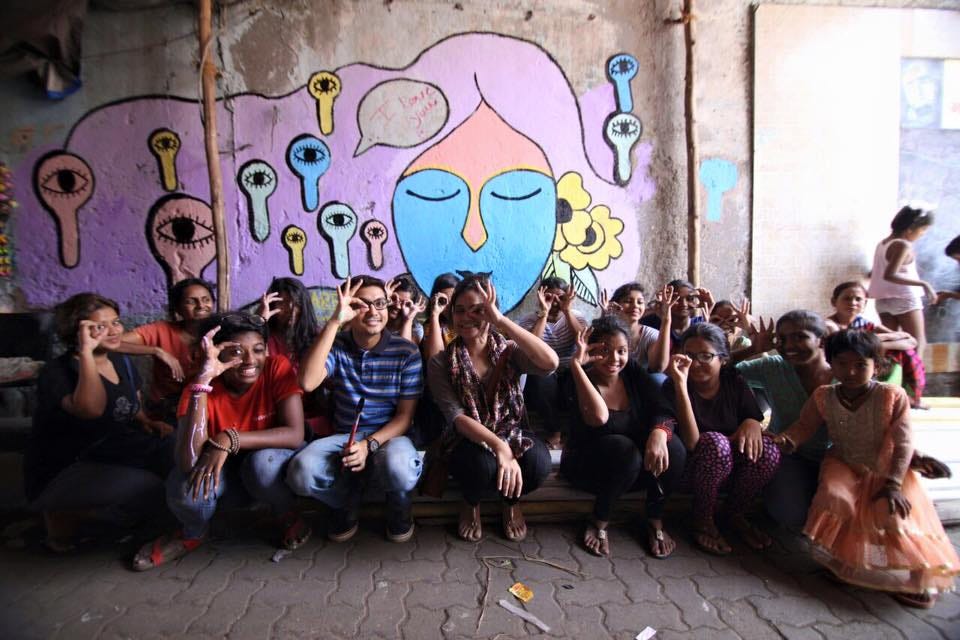
What can a gardener’s lived experience teach us about flourishing? How might a lift operator understand persistence? What does dignity in labour look like through the eyes of a sanitation worker?
We often associate these skills and mindsets with experts, people from academia, social sciences, or psychology. But in our work, we’ve noticed that these ways of thinking aren’t rare or specialised. They exist all around us, expressed in different languages, through different lives.
It might look like a grandmother who never uses the word “resilience,” but embodies it in how she waits, adapts, and begins again. Or a street vendor, who may not speak of “risk frameworks,” yet makes dozens of calibrated decisions each day. Or an artist, imagining futures that don’t yet have form.
Seen this way, these aren’t one-off instances. They show up in different forms across people’s lives. Across contexts and circumstances, people encounter their own versions of similar questions, tensions, and turning points. What differs is how these experiences are understood and responded to. Over time, this meaning-making becomes its own kind of expertise, intuitive and deeply informed by lived reality, shaping what we’ve come to recognise as non-obvious wisdom keepers.
People we may not immediately turn to for inspiration, meaning-making, or resolution, and yet, they carry valuable wisdom shaped by the lives they’ve lived.
And they are around us: a 6-year-old teaching us about risk-aware learning, a handloom weaver showing us tenacity, an entrepreneur deepening our understanding of relational thinking, a transgender artist reshaping how we imagine the future.
At FUEL, we often say that the world is our classroom. After all, our teachers can come from anywhere.
Who are the non-obvious wisdom keepers around you, and what might they already be teaching you?
In search of everyday wisdom,
Team FUEL.